Most enterprises have deployed AI but skipped the security controls. Polygraf's 25-point AI security checklist maps the controls every enterprise needs to know.
Banks that ban AI lose productivity. Banks that don't govern it face breaches. Polygraf explains how financial institutions are securing employee AI tools.
AI tools that process cardholder data may fall under PCI-DSS scope. Polygraf AI explains what finance teams need to know about PCI-DSS compliance for AI.
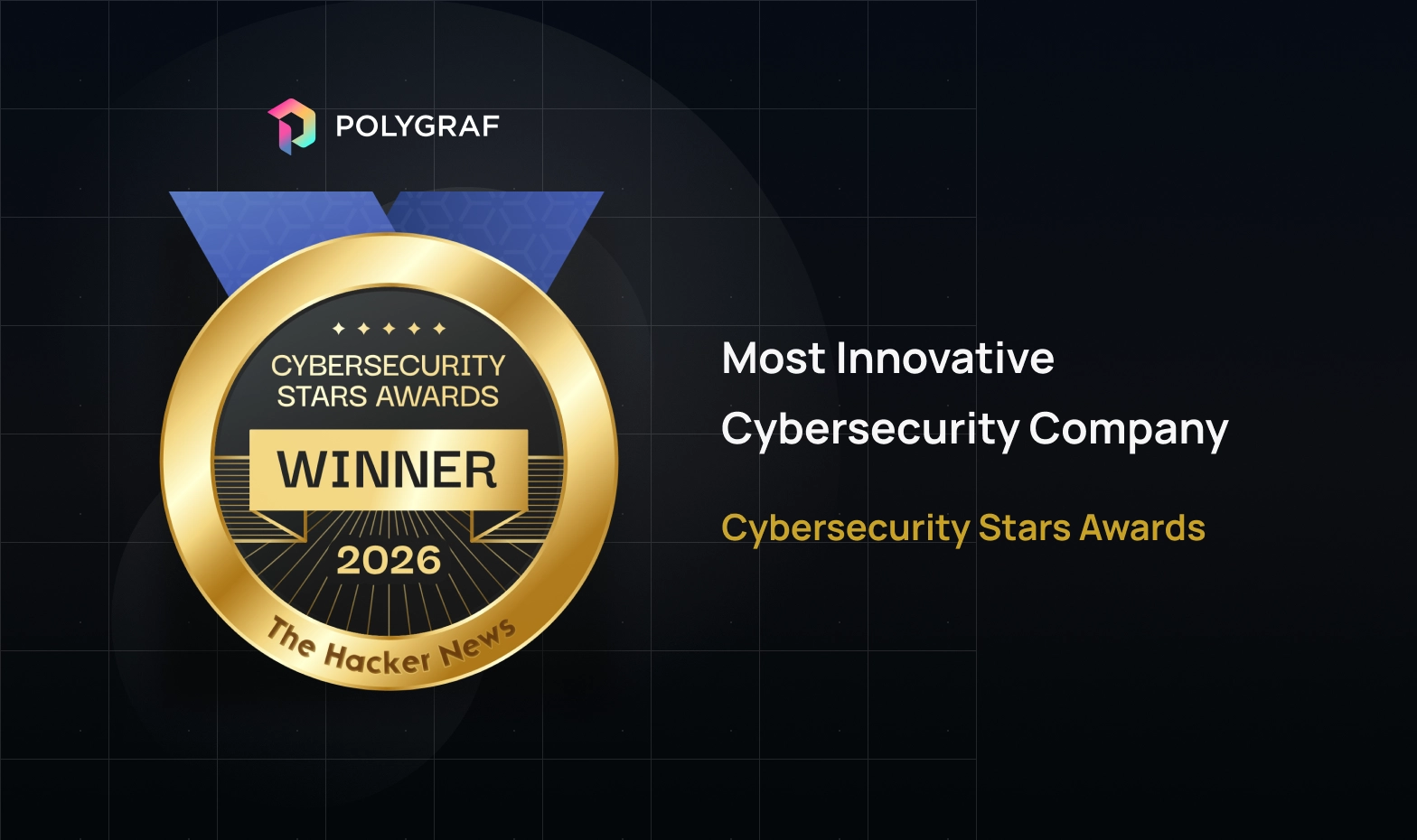
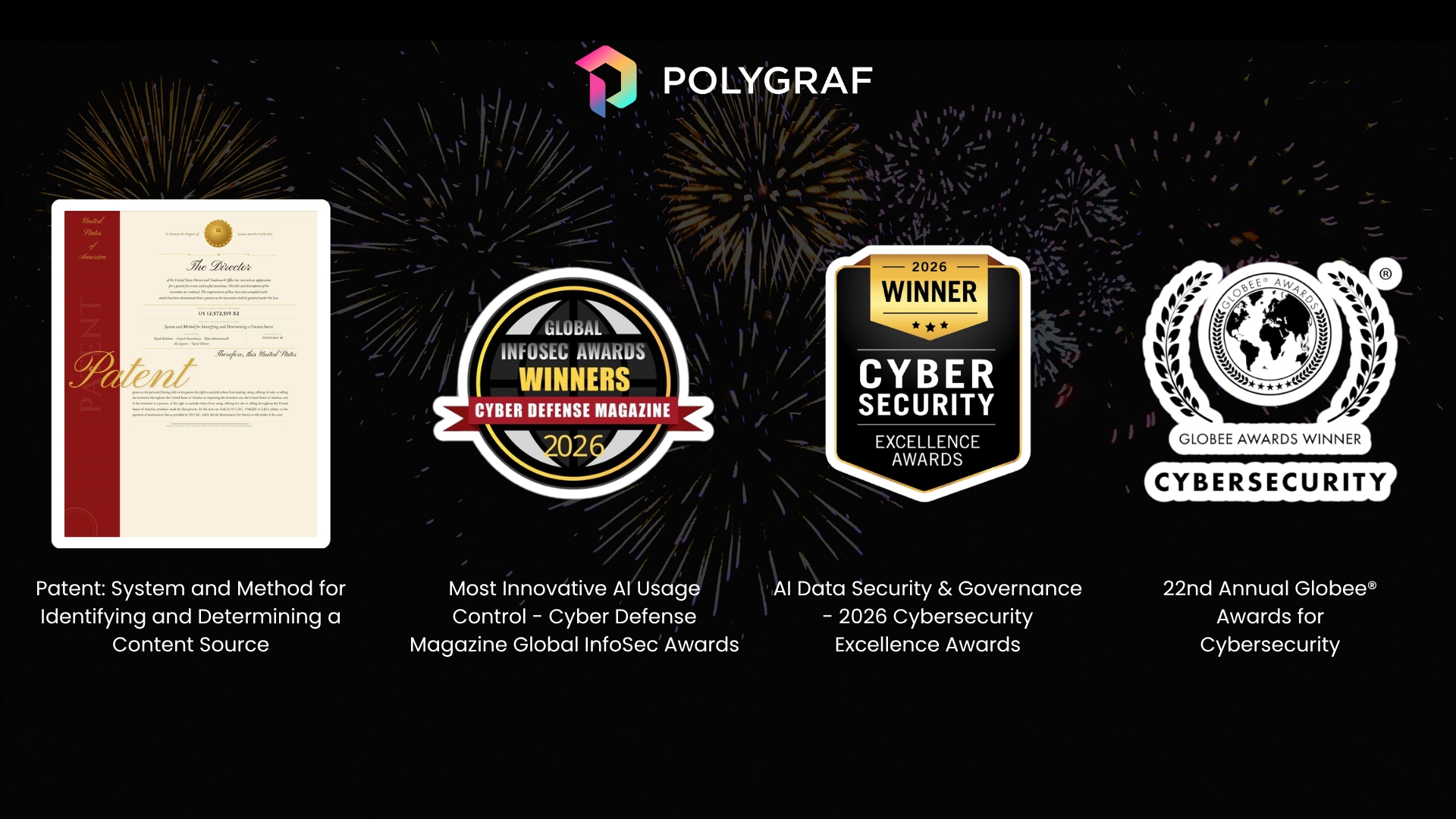
Read the latest news piece about Polygraf AI being named Most Innovative Cybersecurity Company at the 2026 Cybersecurity Stars Awards by The Hacker News.
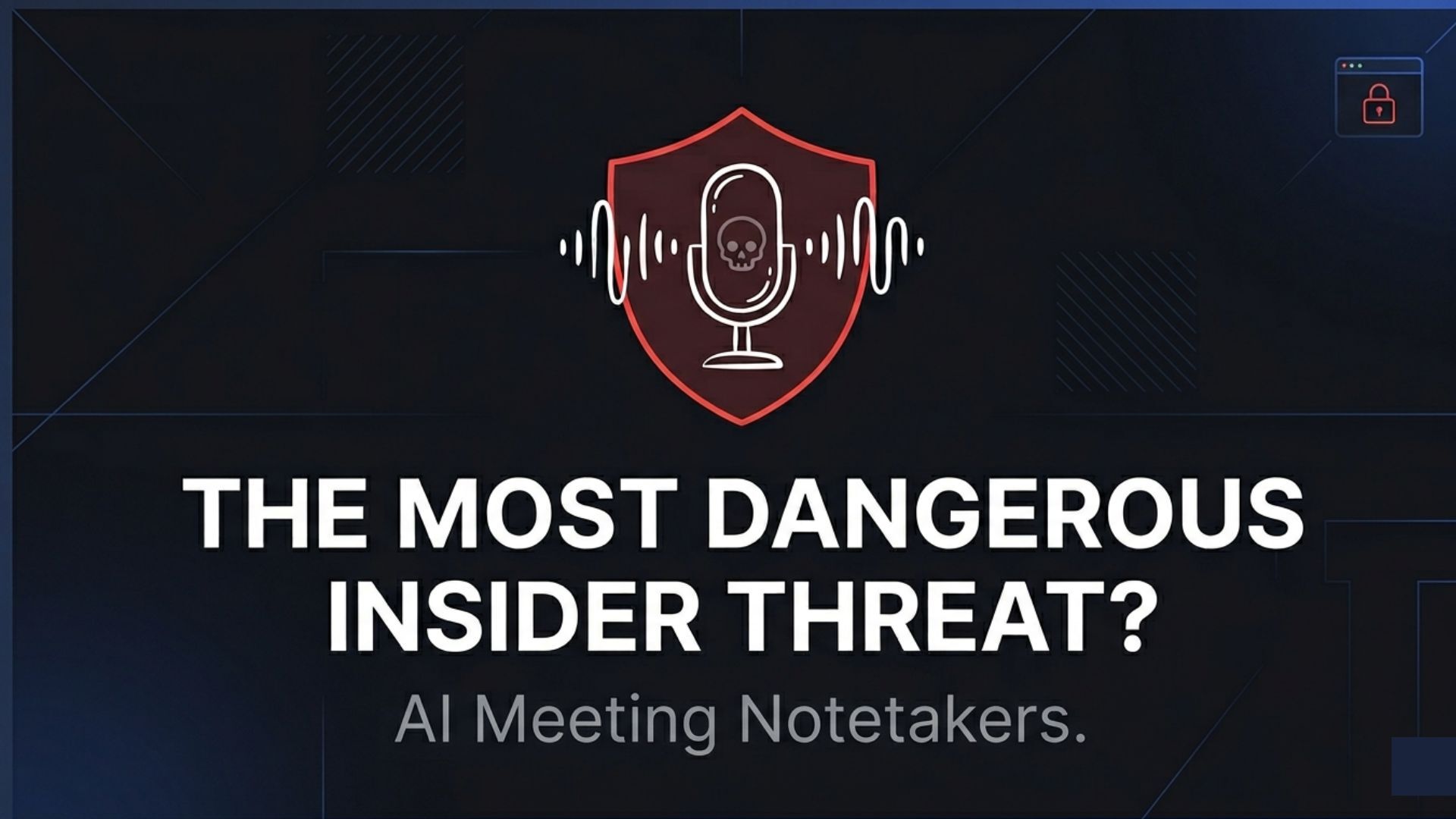
Read the latest breakdown on Cybersecurity Insiders by Yagub Rahimov, Founder and CEO of Polygraf AI, on how AI meeting assistants are embedding themselves into enterprise workflows, silently capturing and
SAN FRANCISCO–(BUSINESS WIRE)–Polygraf AI, the company redefining AI security for critical operations, today announced a major milestone in its mission to secure the enterprise AI frontier. During the RSA Conference
AUSTIN, Texas–(BUSINESS WIRE)–Polygraf AI today announced the launch of its Desktop Overlay, a new product designed to provide continuous, real-time guidance for compliance operations and data protection directly at the
With the new $9.5M Seed round led by Allegis Capital, Polygraf AI is building the next generation of enterprise AI security—powered by its proprietary Small Language Models.
Most enterprises have deployed AI but skipped the security controls. Polygraf's 25-point AI security checklist maps the controls every enterprise needs to know.
Banks that ban AI lose productivity. Banks that don't govern it face breaches. Polygraf explains how financial institutions are securing employee AI tools.
AI tools that process cardholder data may fall under PCI-DSS scope. Polygraf AI explains what finance teams need to know about PCI-DSS compliance for AI.
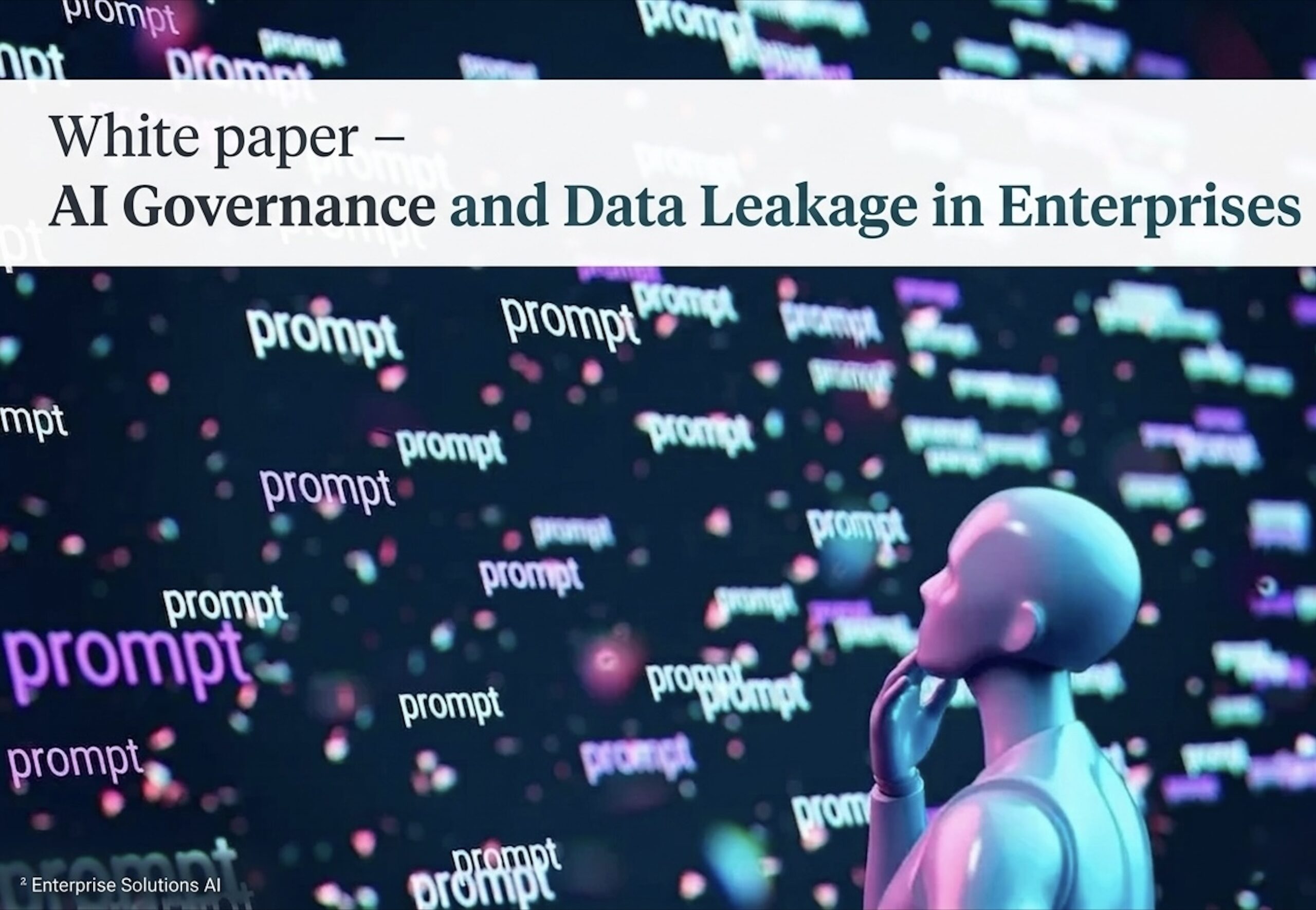
THE CURRENT LANDSCAPE OF AI IN ENTERPRISES In 2023, it is estimated that enterprises worldwide invested around $151 billion in Artificial Intelligence [1].
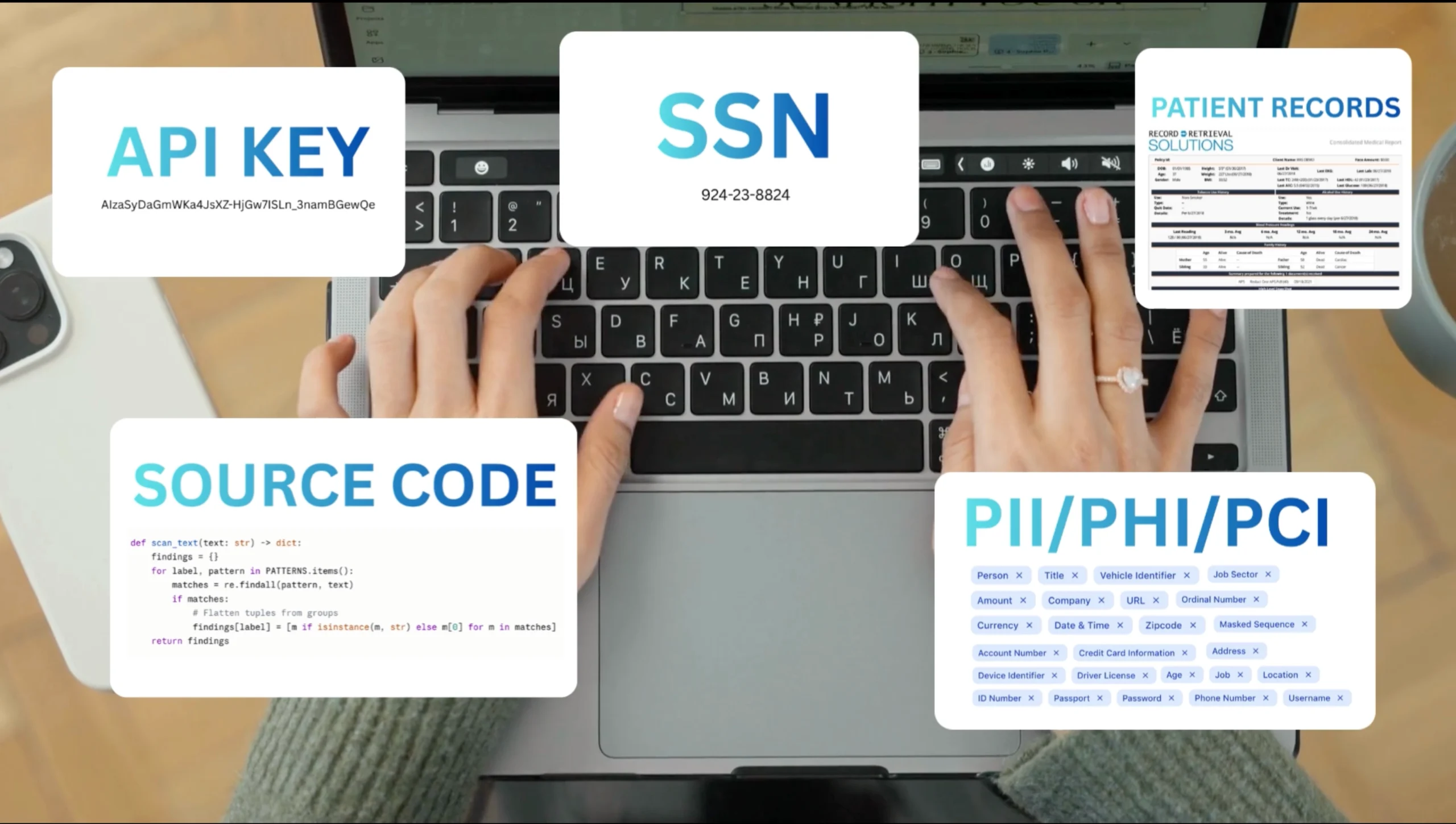
Polygraf AI sets the benchmark for Sensitive Data protection, delivering maximum detection accuracy across PII, PHI and PCI data types and 70 percent fewer false positives than leading cloud tools.
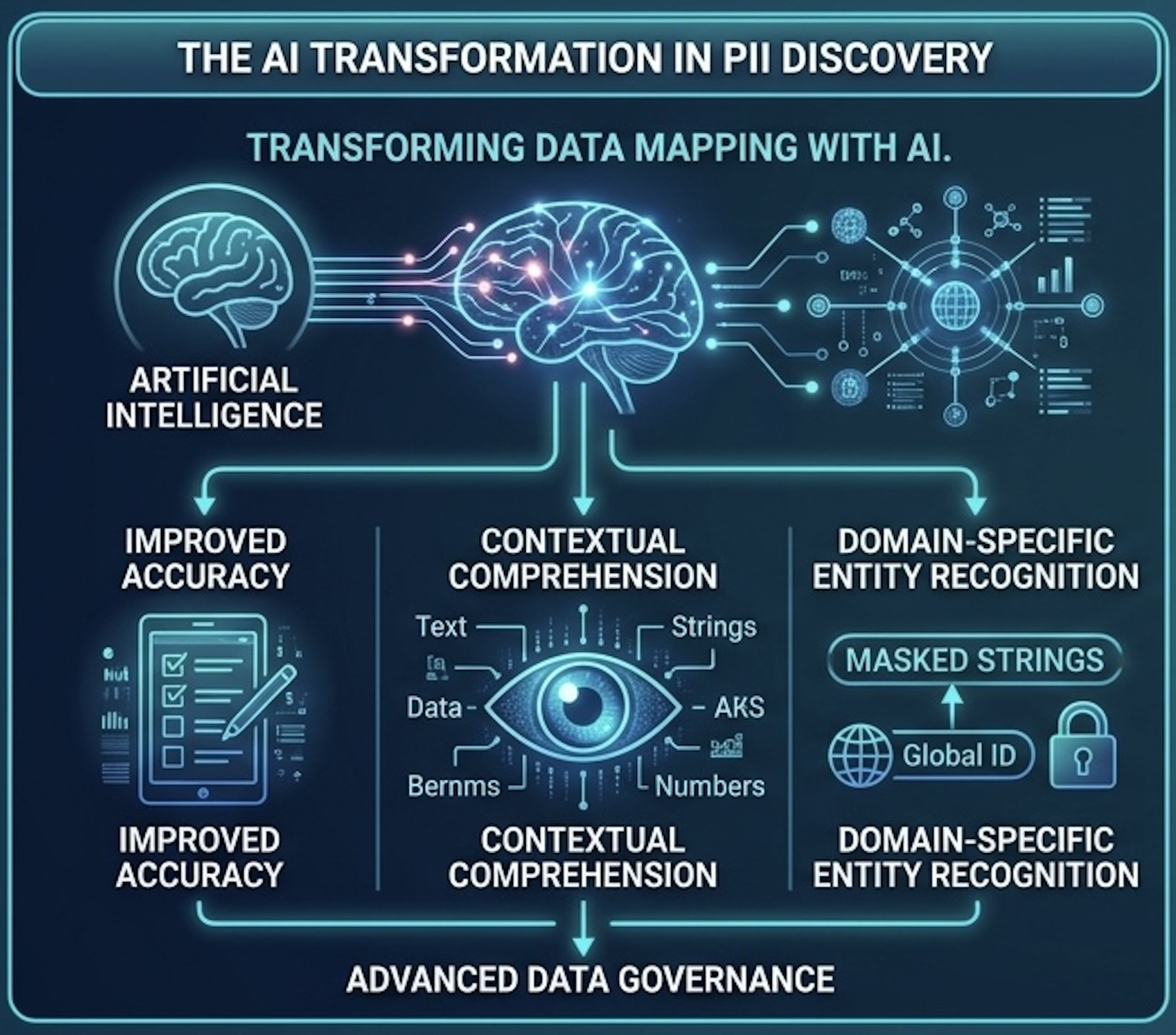
Abstract This article explores the profound impact of artificial intelligence (AI) on data mapping workflows within the context of personally identifiable information (PII) discovery and classification.
Abstract This article explores the profound impact of artificial intelligence (AI) on data mapping workflows within the context of personally identifiable information (PII) discovery and classification.
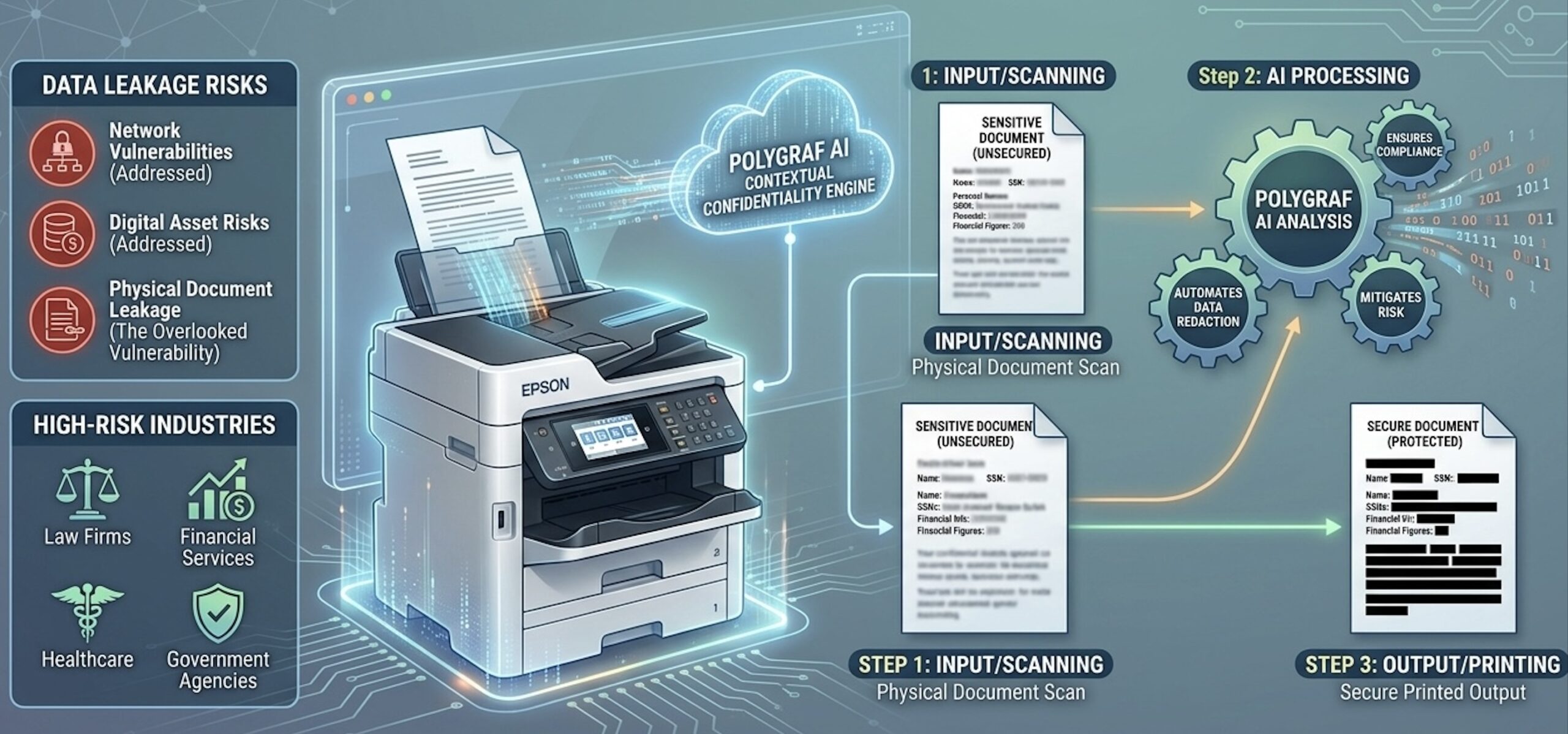
Summary: Polygraf AI Contextual Confidentiality Engine Organizations invest heavily in securing networks and digital assets, yet physical document leakage remains an overlooked vulnerability.
Summary: Polygraf AI Contextual Confidentiality Engine Organizations invest heavily in securing networks and digital assets, yet physical document leakage remains an overlooked vulnerability.
Abstract: This article explores the profound impact of artificial intelligence (AI) on data mapping workflows within the context of personally identifiable information (PII) discovery and classification.
A responsible AI policy is your organization's public and internal position on how you use AI and why. This template covers principles, prohibited uses, governance structure, and the CEO statement
Boards are asking for AI risk reports. This 2-page quarterly template: RAG status, key metrics, incidents, vendor risk, regulatory changes, and what you're asking the board to decide.
An AI governance committee without a charter is just a meeting. A charter defines who has authority over what, how fast decisions are made, and what the board sees. This
When the board asks 'what's our AI risk posture?' - this is the answer. Governance structure, AI system categorization, key risk metrics, and the control hierarchy. Aligned to NIST AI
35% of AI security incidents involve simple prompt manipulation. Four attack types, a 5-factor risk scoring framework, specific mitigations per risk level, and test cases to run before shipping.
Every AI-powered feature needs a security review before it ships. 20 controls across credential security, prompt injection defenses, output validation, agent privilege boundaries, data protection, and monitoring.
A responsible AI policy is your organization's public and internal position on how you use AI and why. This template covers principles, prohibited uses, governance structure, and the CEO statement
Boards are asking for AI risk reports. This 2-page quarterly template: RAG status, key metrics, incidents, vendor risk, regulatory changes, and what you're asking the board to decide.
An AI governance committee without a charter is just a meeting. A charter defines who has authority over what, how fast decisions are made, and what the board sees. This
When the board asks 'what's our AI risk posture?' - this is the answer. Governance structure, AI system categorization, key risk metrics, and the control hierarchy. Aligned to NIST AI
35% of AI security incidents involve simple prompt manipulation. Four attack types, a 5-factor risk scoring framework, specific mitigations per risk level, and test cases to run before shipping.
Every AI-powered feature needs a security review before it ships. 20 controls across credential security, prompt injection defenses, output validation, agent privilege boundaries, data protection, and monitoring.
What can engineers send to OpenAI, Anthropic, and Azure AI APIs? What's absolutely prohibited? What are the mandatory controls? Approved providers, data rules, and a before/during/after build checklist.
Building with AI introduces attack surfaces traditional secure development practices don't cover. API key management, prompt injection defenses, agent privilege boundaries, and production logging requirements.
Regulators, auditors, and enterprise customers ask to see AI incident logs. This template covers both the initial incident log and the post-incident review - with the regulatory assessment section most
The data travels to OpenAI's servers. It may be stored and used for training. You cannot get it back. And depending on the data, you may have 72 hours to
Summary: Polygraf AI Contextual Confidentiality Engine Organizations invest heavily in securing networks and digital assets, yet physical document leakage remains an overlooked vulnerability.
Summary: Polygraf AI Contextual Confidentiality Engine Organizations invest heavily in securing networks and digital assets, yet physical document leakage remains an overlooked vulnerability.
























 Data Privacy
  Data Provenance
  Content Generation